
Planning an unforgettable primate safari requires working with an expert Rwanda chimpanzee tour operator: licensed…

Golden Monkey Habituation – Volcanoes Rwanda Safari Kigali
Golden Monkey Habituation – Volcanoes Rwanda Safari Kigali is a unique and immersive primate experience. This special program lets you spend four hours with golden monkeys. Golden Monkey Habituation – Volcanoes Rwanda Safari Kigali goes beyond the standard one-hour trek. You can contact us to book this exclusive habituation experience today. Golden Monkey Habituation – Volcanoes Rwanda Safari Kigali offers unparalleled access to these playful primates. This complete guide explains everything about this incredible adventure. You will learn costs, availability, and booking procedures. We detail the daily schedule for habituation sessions. The guide covers what makes habituation different from regular trekking. You will discover conservation benefits of this program. We also show how Gorilla Tour Rwanda arranges seamless habituation experiences. Reach out now to secure your habituation permit.
This comprehensive guide covers all aspects of golden monkey habituation. You will find current pricing for this exclusive experience. We explain how habituation differs from standard trekking. The guide details the four-hour observation process. You will learn about the researchers who lead each session. We describe the best seasons for habituation activities. The content covers fitness and age requirements for participants. You will see sample itineraries combining habituation with other safaris. We answer frequently asked questions about the program. Finally, we explain why Gorilla Tour Rwanda is your best booking partner. Explore our safari packages Rwanda for complete habituation itineraries.
What Is Golden Monkey Habituation and How It Differs from Trekking
Golden monkey habituation is a special research-focused experience. It allows visitors to spend four hours with semi-habituated monkeys. Standard trekking gives you only one hour with fully habituated troops. Habituation means the monkeys are still learning to trust humans. Researchers accompany each habituation session to guide the process. You will see natural monkey behavior without interference. The monkeys are not yet fully comfortable with people. This makes the experience more authentic and unpredictable. Golden monkey habituation is limited to just 4 people per day. Standard trekking allows up to 12 people per troop. The habituation experience starts much earlier in the morning. You will follow researchers as they locate the troop. Check our gorilla trekking tours for comparison with standard treks.
The habituation process takes about two years to complete. Researchers visit the same troop every single day. They slowly reduce the distance between humans and monkeys. The monkeys learn that humans are not a threat. During your habituation experience, you participate in this process. You will sit quietly and observe from a distance. The researchers explain the habituation techniques being used. You might see the monkeys approach closer over time. This is different from standard trekking where monkeys ignore humans. The habituation experience is more educational and scientific. You learn about primate behavior research methods. You contribute valuable data just by being present. Your observations help researchers understand the troop better. Learn about our wildlife tours Akagera for other unique experiences.
Cost of Golden Monkey Habituation Permits for 2026
The golden monkey habituation permit costs $150 per person. This is $50 more than the standard trekking permit. The extra cost reflects the longer four-hour experience. It also covers the researchers who accompany your group. Only 4 permits are available each day for habituation. This extreme scarcity justifies the higher price. The permit includes park entry for the full day. You get the services of two researchers and a ranger. Your fee directly supports the habituation program costs. This program is essential for tourism development. New troops are constantly being habituated for the future. View our chimpanzee safaris Rwanda for comparable permit pricing.
The habituation permit does not include transport or accommodation. You must arrange these separately with Gorilla Tour Rwanda. Meals, water, and snacks are your responsibility during the day. You need to pack a full picnic lunch for the forest. Tips for researchers and rangers are expected but optional. Standard tips range from $20-30 per participant. The permit is non-refundable once issued. However, you can transfer it to another person. Name changes are possible up to 30 days before the session. The minimum age for habituation is 15 years old. This is stricter than the 12-year minimum for standard trekking. The longer day and more variable conditions require maturity. Contact us for current habituation permit availability.
Daily Schedule for Golden Monkey Habituation Participants
Your habituation day starts very early in Musanze. Wake up at 4:30 AM to prepare for the day. Eat a light breakfast at your lodge. Your driver picks you up at 5:00 AM sharp. Drive to the park headquarters in Kinigi. Arrive by 5:30 AM for registration. Present your passport and habituation permit confirmation. Park staff verify your documents carefully. You meet your researcher team at 5:45 AM. They explain the habituation goals for the day. You learn about the specific troop you will follow. The briefing covers safety and observation protocols. Book your airport transfers Kigali for early morning pickups.
You drive to the trailhead around 6:00 AM. The trek begins as soon as it gets light. You follow researchers who track the troop from their night nest. The monkeys wake up around 6:30 AM. You will find them feeding in the bamboo forest. Your four-hour observation starts when the troop is located. You must stay at least 15 meters away initially. The researchers may signal you to move closer gradually. You take notes on monkey behavior for the researchers. You can take photos without flash at all times. The habituation session ends around 11:30 AM. You trek back to the trailhead for lunch. Return to your lodge by 1:00 PM for rest. Consider our self-drive Rwanda for flexible schedules after habituation.
Why Choose Golden Monkey Habituation Over Standard Trekking
Golden monkey habituation offers four times more viewing time. You get four hours instead of just one. This allows you to see a wider range of behaviors. You will witness feeding, playing, grooming, and resting. The monkeys forget you are there after a while. They resume completely natural activities around you. This is rarely possible during standard one-hour treks. The group size is much smaller for habituation. Only 4 people join a habituation session. Standard trekking groups have up to 12 people. Smaller groups mean less disturbance to the monkeys. You get more personal attention from the researchers. Your questions are answered in detail throughout the day. Read our why travel with us page for expert guidance.
The educational value is significantly higher for habituation. You learn about primate research methods firsthand. Researchers explain why they use specific techniques. You contribute to scientific data collection. Your observations help monitor troop health and behavior. The experience is more exclusive and prestigious. Only 1,460 people can do habituation annually (4 people x 365 days). Standard trekking accommodates over 35,000 people per year. Habituation permits sell out months in advance. Having one shows your commitment to conservation. The memories from four hours are far richer. You develop a deeper connection with the monkeys. The experience is worth the extra $50 cost. See our customized Rwanda tours for exclusive experience packages.
Best Time of Year for Golden Monkey Habituation
The dry seasons offer the best habituation conditions. June to September is the peak dry season. December to February is the second dry season. During these months, trails are dry and easy to walk. The monkeys are easier to track and follow. You will not get soaked by sudden rain showers. Photography conditions are much better with sunlight. The monkeys are very active during dry weather. Book your habituation permits 6-9 months in advance. These peak months sell out extremely fast. The researchers are more experienced during high season. They have been working with the same troops daily. Visit our best time to visit Rwanda page for detailed climate info.
Wet seasons offer advantages for habituation as well. March to May is the long rainy season. October to November is the short rainy season. The forest is incredibly green and beautiful during rains. Flowers are blooming, and birds are very active. The monkeys are still visible despite the rain. You will have the forest almost to yourself. Fewer tourists book habituation during wet seasons. Permits are easier to get with less advance notice. Lodges offer discounted rates during rainy months. However, trails become muddy and slippery. You need excellent waterproof gear and boots. The researchers still conduct habituation every single day. Rain does not stop the important work of habituation. Prepare properly, and you will have a magical experience. Contact us for wet season habituation package discounts.
Physical Requirements for Golden Monkey Habituation
Habituation requires good physical fitness for the long day. You will be walking for 6-7 hours total. This includes trekking to find the monkeys. You also walk while following them through the forest. The terrain is uneven and often slippery. Altitudes range from 2,400 to 2,800 meters. This can cause breathlessness for some people. The minimum age for habituation is 15 years old. This is strictly enforced by park authorities. There is no upper age limit for participation. However, you must be in excellent health for your age. You should be able to walk continuously for 4 hours. The trek involves stopping and starting frequently. Check our car hire with driver Rwanda for comfortable transport.
You need to carry your own daypack during habituation. Porters are not available for this program. Your pack should weigh no more than 5-7 kg. It must contain water, lunch, and camera gear. You will not return to the trailhead until afternoon. There are no facilities or restrooms in the forest. You must be comfortable urinating in the bush. The researchers will guide you to appropriate spots. You need to be patient and able to sit quietly. The monkeys may take time to approach the group. Sudden movements or loud noises will scare them away. You must follow researcher instructions immediately. Anyone disrupting the habituation process will be removed. This protects the multi-year investment in the troop. Learn about our long-term car hire Rwanda for extended stays.
What to Pack for Your Golden Monkey Habituation Day
Proper packing is essential for a successful habituation day. Waterproof hiking boots are your most important item. The forest floor is wet even during dry seasons. Break in your boots for weeks before the trip. Wear long, thick socks to prevent blisters. Pack at least two extra pairs of socks. Long trousers and long-sleeved shirts are mandatory. Tuck your pants into your socks. This prevents ants from crawling up your legs. Light, fast-drying fabrics work perfectly in the forest. Bring a waterproof jacket and pants set. The mountain weather changes extremely rapidly. Rain can appear within minutes without warning. Explore our car rental services Rwanda for gear transport.
Gardening gloves are essential for the bamboo forest. You will grab bamboo and branches for balance. Gloves protect your hands from sharp edges and thorns. A daypack of 20-30 liters is perfect for your gear. Pack at least 3 liters of water per person. The habituation day is longer than standard trekking. Bring a packed lunch that does not require heating. Sandwiches, nuts, dried fruit, and chocolate bars work well. Sunscreen and a hat protect from high-altitude UV rays. The sun is intense above 2,500 meters even on cloudy days. Carry insect repellent with at least 30% DEET. Forest flies and mosquitoes are present year-round. A camera with a zoom lens is essential. A 70-200mm lens is ideal for wildlife shots. Bring spare batteries and memory cards. Cold drains battery life very quickly. Check our Kigali city tours for gear shopping before your trek.
Conservation Impact of the Golden Monkey Habituation Program
The habituation program is vital for golden monkey conservation. Only 2,000-3,000 golden monkeys remain in the wild. They are classified as endangered by the IUCN. The population is slowly increasing thanks to tourism. Habituation creates new trekking troops for the future. Each habituated troop can generate $100,000+ annually in permit fees. This money funds anti-poaching patrols and habitat protection. The habituation process takes two years of daily work. Researchers track the troop from dawn to dusk. They record every detail of behavior and health. This data helps management decisions for the species. Read about conservation efforts Rwanda supports through tourism.
Your habituation fee directly supports this research work. A portion pays the salaries of the researchers. Another portion funds their equipment and training. The fee contributes to community conservation programs. Local villages receive benefits from habituation tourism. When people benefit financially, they protect the monkeys. The habituation program employs local trackers and guides. These jobs provide stable income for rural families. Children can attend school instead of hunting. The success of habituation has been remarkable. New troops are being habituated continuously. In 10 years, there may be 20 habituated troops. This will allow more tourists to see golden monkeys. Your participation today enables this future growth. You are part of the solution, not the problem. Learn about our Iby’iwacu Cultural Experience for community benefits.
Photography Tips for Your Golden Monkey Habituation Session
The habituation session offers amazing photography opportunities. You have four hours instead of just one. This allows you to wait for perfect moments. The monkeys will forget you are there after a while. They will feed, play, and rest naturally around you. Use a telephoto lens of at least 200mm. A 100-400mm lens gives you maximum reach. The monkeys may stay 15-30 meters away initially. They might approach closer as the session progresses. Set your camera to aperture
Related Posts
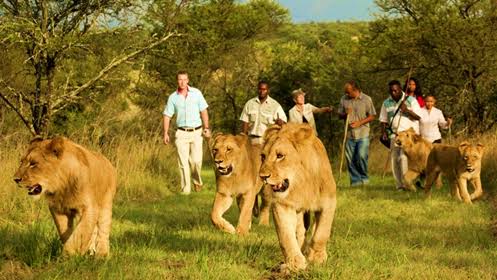
Experience an unforgettable Akagera budget safari: Affordable day drive & camping packages in East Africa…
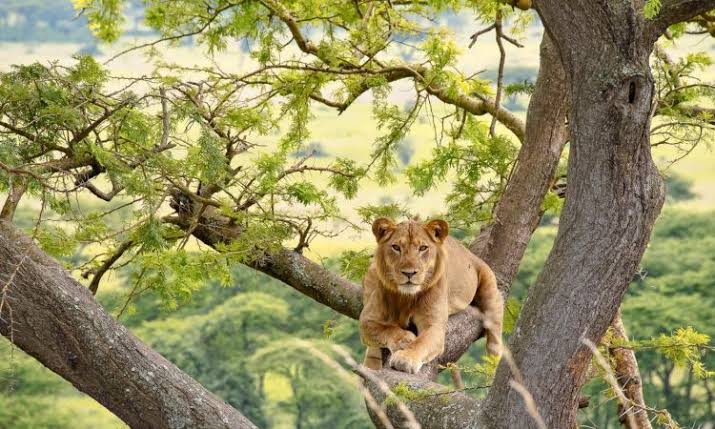
Welcome to the ultimate guide for your dream East African adventure, where we explore the…